![SYNTHESIS [2026]](https://irp.cdn-website.com/md/dmtmpl/eced8d17-848a-4350-a6ba-3d82737abf1b/dms3rep/multi/logo-light.svg)
What are the top 'AI Visibility' mistakes small businesses make?
Did you know that 70% of small businesses fail to optimize AI visibility, missing out on key growth opportunities? Understanding these common mistakes can boost your brand’s reach and increase customer trust. By learning where others have fallen short, you can transform AI from a daunting risk into your business’s most reliable competitive advantage. This article cuts through the hype to reveal the actionable insights every small business owner needs to thrive in the AI age.
Unlocking Success: Understanding Common AI Visibility Mistakes in a Small Business
Opening Insights – The Critical Impact of AI Visibility on Small Businesses
“Did you know that 70% of small businesses fail to optimize AI visibility, missing out on key growth opportunities? Understanding these common mistakes can boost your brand’s reach and customer trust, transforming AI from a risk into your biggest competitive advantage.”
AI visibility is quickly becoming the foundation of modern brand success. When small business owners overlook the importance of being recognized by search engines and generative AI platforms, they risk invisibility in today’s digital landscape. Even the best AI project can fall short without the right strategy, AI tools, and data. The impact? Lost opportunities, wasted resources, and a major advantage handed to the competition. By identifying the most common mistakes—from misaligned goals to neglected data—small businesses can flip the script, using AI visibility as leverage to build stronger customer connections and drive sustainable growth.
Real-world examples show that even a tech-savvy business owner can make costly visibility errors. Whether it’s missing out on effective AI tools, mismanaging structured data, or underestimating the need for human oversight, these pitfalls are more widespread than most realize. The following guide arms you with essential knowledge, expert insights, and practical, actionable steps—ensuring your AI strategy becomes a driving force for measurable business success.
What You'll Learn About 'AI Visibility' and Small Business Growth
- The most common AI visibility mistakes made by small businesses
- How AI project failures impact business owners
- Strategies to avoid common AI mistakes and enhance brand visibility
- Expert insights and practical tips for AI tool integration
Defining AI Visibility for Small Businesses: Why It Matters
What is 'AI Visibility' and How Does It Affect Small Business Success?
AI visibility is the extent to which your small business is recognized and prioritized by AI-driven systems, including search engines, AI tool aggregators, and generative AI models like ChatGPT. Every day, algorithms decide which brands appear in search results, who is featured in AI-generated overviews, and which companies are recommended as solutions. AI visibility determines whether your business is front and center or buried in digital noise.
For small businesses, strong AI visibility means higher digital foot traffic, more leads, and a reputation as a reliable industry player. However, losing sight of AI visibility causes even great products to be overlooked. Key factors—such as the use of structured data, AI-specific search engine optimization (SEO), and regular updates—play a vital role in ensuring your brand doesn’t get left behind. Simply put: smart AI visibility strategies turn your business into the answer for customer questions, rather than an afterthought.
Key Concepts: AI Systems, Search Engine Prioritization, and Brand Visibility
Understanding the interplay between AI systems, search engine prioritization, and brand visibility is essential. When engines prioritize quality, structured data, and up-to-date business information, they form the backbone of a business's visibility online. AI tools and AI-powered search platforms rely on this data to rank businesses in search results, highlighting those whose AI project goals align with business objectives.
In practice, this means taking actionable steps such as keeping your website and profiles up to date, regularly monitoring your AI systems, and investing in reputable AI tools. These efforts directly improve your visibility, ensuring your small business remains discoverable to both customers and AI-powered systems searching for answers.
Table: Top AI Visibility Mistakes & Their Impact on Small Businesses
| Number | First Name | Last Name | Email Address |
|---|---|---|---|
| 1 | Anne | Evans | anne.evans@mail.com |
| 2 | Bill | Fernandez | bill.fernandez@mail.com |
| 3 | Candice | Gates | candice.gates@mail.com |
| 4 | Dave | Hill | dave.hill@mail.com |
1. Overlooking AI Project Alignment with Business Goals
How Common AI Mistakes Derail Promising AI Projects
Many small business owners launch AI projects with enthusiasm, only to find later that the results fall short. This usually happens when there is a disconnect between the AI project’s objectives and the business's core goals. For example, implementing a generic AI tool that doesn’t account for unique business needs can result in wasted time and money or, worse, a negative online brand image. Common mistakes include focusing on AI trends without a clear ROI or running pilot projects that aren’t measured against actual business metrics.
A key part of AI project success is starting with well-defined outcomes: do you want to automate repetitive tasks, improve customer service, or drive SEO? Without this alignment, even the most advanced AI models fail to deliver meaningful results. Small businesses should involve multiple stakeholders in every phase of an AI project to ensure the tools selected truly support the company’s core mission, rather than merely following trends or copying competitors. This approach increases the odds that AI efforts directly support better brand visibility and measurable business growth.
Examples from Real Small Businesses
“Alignment between AI project objectives and core business strategy is essential for measurable success.”
Consider a local retailer who invested heavily in an AI chatbot designed for a different retail niche, hoping it would quickly answer product questions. Because this tool didn’t address the store’s unique products or customer base, most queries remained unresolved, and customers lost trust. In another case, a small digital agency attempted to automate its content generation pipeline using an AI model without vetting the model's ability to understand its market’s needs. As a result, SEO performance declined. These stories show why it is vital to regularly review where your AI projects are headed—and always connect them to your main business objectives for optimal AI visibility and customer satisfaction.
2. Failing to Leverage Effective AI Tools and AI Systems
Identifying the Right AI Tools for Enhanced Small Business Visibility
The AI tool landscape is vast, but not all solutions are created equal. Many small businesses make the mistake of sticking with outdated or generic AI systems, failing to leverage platforms specifically designed to boost online visibility or customer engagement. It’s tempting to save money with free or bundled features, but these seldom offer the advanced capabilities—such as intelligent analytics, tailored visibility tracking, and up-to-date search engine compliance—that modern businesses need.
Success lies in regularly surveying the market for new AI tools aligned with your business goals. Platforms such as conversational AI bots, AI-based SEO optimizers, and AI-powered analytics dashboards deliver actionable insights far beyond what traditional manual methods provide. When choosing tools, prioritize those that integrate seamlessly with your existing systems and comply with current data protection regulations. Test features, seek recommendations from other business owners, and don’t hesitate to request demos to confirm the tool fits your unique requirements.
Common Challenges in AI Tool Adoption for Small Businesses
While the right AI tool can revolutionize visibility and productivity, many small business owners find implementation overwhelming. Obstacles such as steep learning curves, limited documentation, and integration issues are common. Some tools require technical expertise that may not exist in-house, leading to delays or even abandoned projects. Additionally, the fear of data breaches or mishandling sensitive customer information can deter owners from exploring new platforms altogether—especially with growing calls for data protection regulation compliance.
The best solution is to foster a culture of continuous learning. Invest in staff training, leverage community forums, and build partnerships with trusted vendors. Remember: fast-changing AI solutions demand steady human leadership, and it’s this proactive mindset—not the fanciest tool—that produces sustainable business results and superior brand visibility.
3. Neglecting Data Quality and Search Engine Optimization
Why Engines Prioritize Quality Data in AI-Driven Brand Visibility
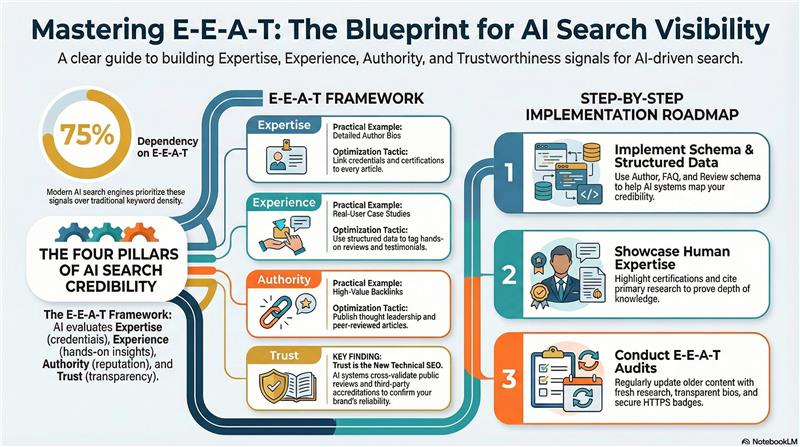
Search engines and AI-powered platforms are only as good as the structured data they work with. One of the most common mistakes small businesses make is failing to maintain clean, accurate, and up-to-date data. Engines prioritize businesses that use standardized schemas, error-free product listings, and regularly refreshed content—signals of reliability and relevance. Conversely, outdated or inconsistent data prevents even the best AI systems from boosting your online profile, resulting in fewer leads and lower search rankings.
Quality data isn’t just about information—it’s about context, connections, and clarity. For small businesses, this means attention to detail in every listing, review, and page update. Marking up your site with the latest schema. Organized structured data, optimizing for search engine visibility, and monitoring brand mentions via AI search tools all ensure engines recognize your legitimacy. Ignoring these foundations almost guarantees your brand remains invisible as AI and search reshape the marketplace.
The Link Between AI Systems and Enhanced Search Engine Rankings
Modern AI systems and search engines share a singular goal: to connect users with the best answer—fast. Businesses with a tight handle on their structured data, clear business information, and streamlined visibility tracking will rise to the top. Using AI tools that continually scan and update your web content improves not only human searchability but also AI-driven platforms' ability to recommend your business in search results, chat responses, and map packs.
Neglecting this link means missed opportunities. Regular SEO audits, AI-driven competitor research, and active engagement with visibility tracking tools are mandatory best practices. By understanding how engines prioritize data, savvy business owners can fine-tune their presence to ensure greater exposure, trust, and measurable growth, even as digital algorithms evolve.
4. Underestimating Continuous Training and AI Project Updates
AI System Maintenance: Keeping Small Business Initiatives Up-to-date
The digital landscape doesn’t stand still, and neither should your AI projects. Many small businesses devote resources to their AI launch but fail to allocate time and budget for continuous updates, retraining, and maintenance. When AI systems or models become outdated, accuracy declines, recommendations become stale, and brand visibility erodes.
Regular staff training is equally important. New AI features and compliance standards emerge frequently, so employees should always stay up to date. Business owners who promote a culture of learning outperform those who “set and forget” their systems. Frequent updates to AI models, prompt bug fixes, and timely expansions of data sources keep the business aligned with the latest best practices, boosting visibility while ensuring compliance and competitiveness.
Consequences of Stagnant AI Projects in Brand Visibility
Failing to maintain and update AI projects can lead to disastrous outcomes, including reduced customer engagement, lower search engine rankings, and loss of trust among both users and digital systems. Small businesses that let their AI systems stagnate quickly fall behind competitors who continuously refresh their approach. Considering engines prioritize recent, relevant content, stagnant AI initiatives almost guarantee diminished brand presence. Prioritize ongoing training, assign clear responsibilities, and set a firm update schedule to stay ahead of the curve and ensure your business owner’s AI investments yield lasting success.
5. Ignoring the Human Element in AI Visibility Strategies
How Business Owners Empower AI Success Through Human Oversight
Bridging the Gap: AI Systems and Team Collaboration
Despite their sophistication, AI systems are not perfect. One of the most common AI mistakes is assuming technology can operate unsupervised without human oversight. In reality, the most successful small businesses act as active participants—reviewing AI-driven results, interpreting insights, and refining strategies. Human oversight ensures the AI model reflects the business’s unique brand voice, ethics, and customer priorities, all of which are crucial for lasting brand visibility.
Effective AI visibility strategies require collaboration between humans and machines. Training staff to work alongside AI tools, sharing feedback, and fostering a continuous-improvement mindset are key. Consider AI as a co-pilot, not a replacement—especially in areas that impact trust, such as customer service, reputation management, and strategic decision-making. This ensures seamless communication, protects brand integrity, and amplifies the impact of every AI project.
“AI can’t replace human judgment—especially for small businesses crafting their reputation and customer trust.”
Watch this short explainer for a quick walkthrough of the five most common small business AI visibility mistakes and how to avoid them. See real-world scenarios and actionable tips in an animated, easy-to-understand format.
Lists: The Top 10 Common AI Visibility Mistakes for Small Businesses
- Overlooking AI project alignment with business goals
- Relying on outdated AI tools or systems
- Neglecting data quality and structured data
- Not integrating AI with SEO and search engine best practices
- Ignoring the business owner’s role in AI oversight
- Insufficient training for staff on AI systems
- Failing to update AI projects regularly
- Overestimating AI capabilities for customer engagement
- Lack of monitoring for common AI mistakes and visibility errors
- Underutilizing analytics for AI-driven results
People Also Ask: What is the Biggest Mistake Small Businesses Make?
Answer: The biggest mistake small businesses make is failing to align AI projects with their core business objectives and measurable outcomes. This leads to wasted resources, reduced brand visibility, and missed growth opportunities.
People Also Ask: What Are the 5 Biggest AI Fails?
Answer: The five biggest AI fails for small businesses are misaligned AI goals, poor data management, using the wrong AI tools, neglecting AI training, and overlooking human oversight in AI strategies.
People Also Ask: What Are Some Common Mistakes AI Makes?
Answer: Common mistakes AI makes include misinterpreting ambiguous data, producing irrelevant search results, failing to adapt to updated SEO strategies, and providing inconsistent customer experiences.
People Also Ask: Why Do 95% of Businesses Fail When Using AI?
Answer: 95% of businesses fail with AI primarily due to a lack of clear objectives, inadequate data quality, insufficient human involvement, and poor integration of AI into existing business processes.
Watch our animated video breakdown of the most common mistakes small businesses make in their AI projects, with practical solutions and real-world examples.
Strategies for Small Business Owners: Avoiding AI Visibility Pitfalls
Practical Steps to Align AI Projects with Brand Goals
Begin with a clear business vision. Conduct strategy workshops and ensure that every AI project’s goals align with measurable growth targets. Regular alignment reviews and cross-functional team involvement will keep efforts on track, increasing the likelihood of authentic brand visibility.
Selecting the Best AI Tools for Your Small Business
Research tools with proven track records, review online case studies, and request demos before committing. Favor AI tools that are user-friendly, integrate smoothly with your current systems, and offer strong support for data protection regulations compliance.
Improving Data Quality and System Integration for AI Visibility
Invest in regular SEO and data audits, use standardized structured data, and review listings on major platforms. Employ AI-powered analytics platforms to monitor changes and maintain consistent information across all digital touchpoints.
Ensuring Ongoing Staff Training and Human-AI Collaboration
Establish a regular training schedule for all team members involved in AI projects. Foster an environment where human feedback is encouraged, and build opportunities for collaboration between humans and machines to maintain oversight and maximize visibility.
FAQs: What are the Top 'AI Visibility' Mistakes Small Businesses Make?
- Q: Why is aligning AI projects with business goals so important?
A: Alignment ensures AI projects drive measurable success and brand visibility, preventing wasted resources and missed growth opportunities.
- Q: How can data quality affect search engine results for small businesses?
A: High-quality, structured data helps AI and search engines prioritize your business, boosting your presence in search results and customer trust.
- Q: What’s the role of human oversight in successful AI projects?
A: Humans provide judgment, creativity, and ethical guidance, bridging gaps AI tools can’t address on their own.
- Q: How often should AI tools and projects be updated?
A: Ideally, review systems quarterly and update as needed to keep pace with changing business strategies and evolving technologies.
Key Takeaways for Small Business Owners Considering AI Projects
Summary of AI Visibility Best Practices
Align every AI project with specific, measurable business goals. Choose AI tools that fit your business needs and update them regularly. Prioritize structured data and search engine best practices for maximum brand visibility. Encourage ongoing training and blend human oversight with AI strategies. Track results, learn from missteps, and iterate for true digital leadership.
Expert Insights: The Future of AI Visibility for Small Businesses
As AI evolves, so do the challenges and opportunities for small businesses' digital brand visibility. Staying competitive requires proactive adoption, continuous learning, and a willingness to regularly update strategies. AI models will only get better at filtering out businesses that fail to provide quality, current data, and authentic human input. The most successful businesses embrace these trends, remaining adaptable and customer-focused in every new AI initiative.
Want to Avoid These AI Visibility Mistakes? Contact us at SytectAi.com to Elevate Your Small Business.
Act now: Review your AI visibility plan, implement these best practices, and reach out to experts for tailored support—your business success depends on it.
Sources
Recent Posts